Knovari: Building the Privacy Layer for Enterprise AI
How an AI redaction platform for consulting firms engaged a UI/UX Designer, a DevOps Engineer and a Backend Engineer.
Challenge
Knovari serves consulting firms, where the knowledge generated on client work is both the firm’s most valuable asset and the material it is least able to reuse. The product removes what identifies a client while preserving the insight, so that a firm’s own experience can be reused internally and used to ground AI systems. The standard required is high. Direct identifiers are straightforward; the difficulty lies in indirect ones, where a description such as the second-largest player in a given market identifies a client as clearly as a name would. Buyers are also enterprises with established security functions, so adoption follows a pilot run inside the customer’s own environment and assessed against their requirements, rather than a demonstration.
Three requests went in, across three workstreams, split between the two founders. With the CEO, a senior UI/UX designer: eight years of full-cycle product design across fintech, HR tech, edtech and logistics, with design systems, user research and complex data visualisation behind them, working in Figma for the website, which for this audience carries considerable weight. With the CTO, a DevOps engineer on Azure, Terraform, Kubernetes and GitLab CI, five years of production infrastructure including on-premises-to-cloud migration for banking platforms for pilot deployments, which have to run within the customer’s environment and meet their standards. Also with the CTO, a backend engineer on Python, FastAPI and Django with LangChain, RAG and LLM orchestration, alongside PostgreSQL, MongoDB, Kafka and Kubernetes for the AI capability at the centre of the product.
Three different workstreams, though one quality ran through all of them: experience in environments where trust forms part of the product. The infrastructure and backend shortlists drew on banking and financial services work, where security review is a routine part of delivery. The design shortlist drew on professional B2B products rather than consumer work. All three would also be working directly with a founder, with no layer in between, which not every senior candidate prefers. The first engagement was confirmed 24 hours after the request opened.
Outcome
A company moving into enterprise sales needs three things at once and usually gets them one at a time: something credible for the buyer to look at, a deployment that survives a security review, and a product that does what the demonstration promised. Knovari opened all three requests in sequence and eventually ran in parallel across two founders.
- Three requests opened across design, infrastructure and AI engineering, with the first match confirmed in 24 hours.
- The commercial surface, the deployment path and the product’s core capability covered.
- Split across two founders: the designer working with the CEO, infrastructure and engineering with the CTO with no management layer in between.
- Three months of engagement through website work, pilot deployments and AI feature development.
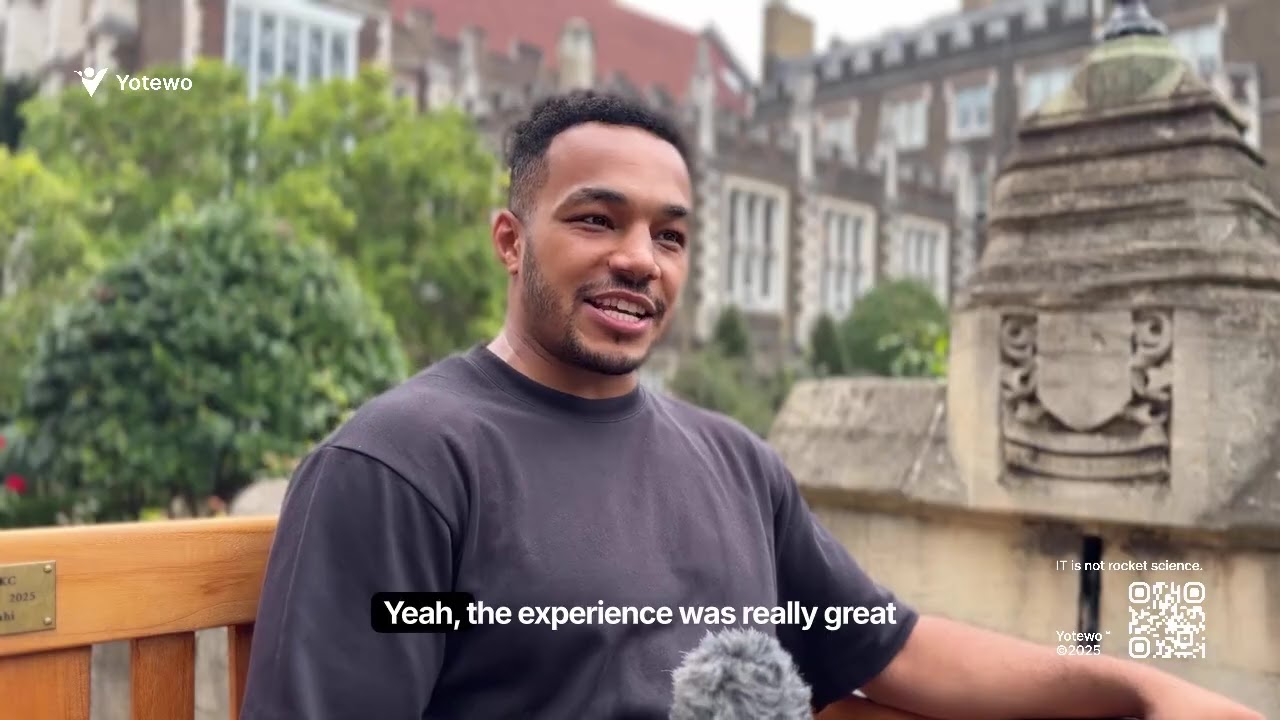
Positive experience. The level of support and commitment to making sure that we are happy throughout the process was incredibly reassuring

A Strategic, Multi-Phase Hiring Approach
Phase: Request
Three requests opened for three workstreams: a UI/UX designer on Figma and design systems for the website, a DevOps engineer on Azure, Terraform and Kubernetes for pilot deployment, and a backend engineer on Python, FastAPI and LangChain for the AI features.
Phase: Matching
Weighting went to work done where trust forms part of the product: banking and financial services infrastructure for the DevOps and backend roles, professional B2B products for the design role, and in every case people comfortable working directly with a founder.
Phase: Interviews
The CEO interviewed for the design role and the CTO for the infrastructure and engineering roles, with the first engagement confirmed 24 hours after the request opened.
Phase: Engagement
Engagements opened with a mix of full-time and part-time monthly workload, daily hour tracking, and monthly hour commitment reports.
Phase: Support
Given that requests ran in parallel as pilot deployment, AI features and website work was being done, workloads changed and hour caps were requested and approved.
Explore More Successful Stories




Ready to hire a Backend Engineer?
30 minutes to work out what you need and whether we're the right fit.